
Real Madrid Alavés Match Analysis LaLiga: Rodrygo Secures Crucial 2-1 Win Amidst Mounting Pressure
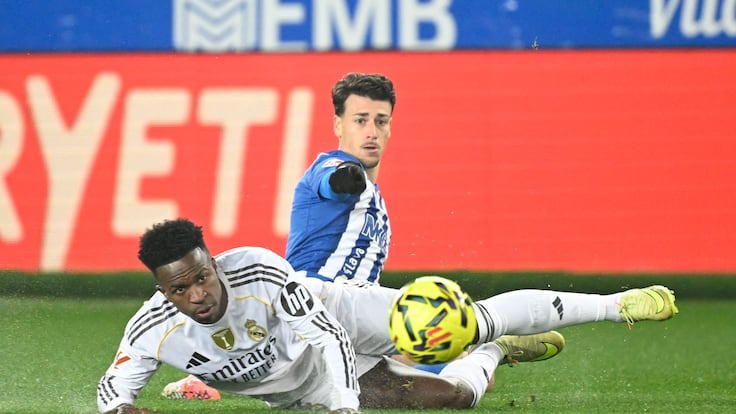
The victory of Real Madrid over Deportivo Alavés, securing a hard-fought 2-1 win, was much more than just three points on the LaLiga table. It represented a significant, deep breath for the club, the coaching staff under Xabi Alonso, and the players who had been dragging a heavy crisis of results in both the domestic league and the Champions League. While the final whistle brought relief, the match itself offered a complex tapestry of brilliance and persistent frailty, suggesting that the team’s recovery will be far from a simple, linear process.The urgency of the situation was palpable. Facing the threat of an even greater gap forming behind their rivals, the Blancos entered the fixture at Mendizorroza knowing that anything less than a victory would escalate the existing internal turmoil.
The result, achieved through goals from Kylian Mbappé and Rodrygo, not only averted a potential catastrophe but also ensured that Barcelona could not distance themselves significantly in the race for the top spot in the Spanish championship. This win, therefore, was a demonstration of character, but also an urgent alarm about the tactical and defensive inconsistencies that continue to undermine the team’s long-term ambitions.The Suffered Triumph at Mendizorroza: Key Moments and Defensive LeaksThe narrative of the match against Alavés was one of a strong start followed by an alarming dip in performance, a pattern that has characterized Real Madrid during their recent challenging period.
The team under Xabi Alonso initially displayed moments of brilliance, reflecting the quality inherent in their star-studded lineup.Mbappé’s Early Strike and the Fading DominanceThe opening stages of the encounter offered hope that Real Madrid would cruise to a comfortable victory. The breakthrough arrived courtesy of Kylian Mbappé, whose goal showcased his characteristic clinical precision and explosive pace. This early lead was vital, appearing to calm the nerves and allow the team to settle into a rhythm.However, the dominance proved to be ephemeral. Instead of using the advantage to control the tempo and further assert authority, the team allowed the intensity to wane. This reduction in focus and tactical discipline gave the local side, Alavés, the necessary space and confidence to regroup and push forward.
The concession of an equalizer later in the match proved how precarious Real Madrid’s control had become, neutralizing the early advantage and plunging the team back into a precarious situation. The contrast between the initial flair and the subsequent defensive confusion highlights a fundamental issue that the technical staff must address: the difficulty in sustaining high-level performance throughout the full ninety minutes, particularly when under duress.The Defensive Frailty: Examining Antonio Rüdiger Performance Critique LaLigaOne of the most concerning aspects of Real Madrid’s fluctuating form has been the performance of key defensive personnel. Specifically, the German international, Antonio Rüdiger, was singled out for his contribution to the conceded goal, suggesting he is currently “detracting more than adding” to the squad this season.A defender of Rüdiger’s caliber is expected to be a pillar of consistency and leadership. His signing was meant to solidify the backline, especially during transition moments. However, his direct involvement in the goal conceded against Alavés placed him under sharp journalistic scrutiny. Whether this is due to physical discomforts or a temporary drop in form is a subject of intense debate, but the fact remains that when a player of his stature is identified as a key factor in an opponent’s goal, it exposes deeper structural issues within the defense.
The incident suggests a broader vulnerability in the defensive setup. Against Alavés, the collective failure to effectively manage the counter-attack or the set-piece that led to the equalizer demonstrated a disconnect. While Rüdiger’s error was highlighted, a premium analysis must look at the overall system. The lack of robust protection from the midfield, coupled with individual lapses, has consistently put the defense under pressure. The Real Madrid defense, which previously prided itself on its resilience, now shows a disconcerting tendency to concede crucial goals at the most inopportune moments, directly impacting their title aspirations. The Antonio Rüdiger Performance Critique LaLiga is a microcosm of a larger defensive problem that Xabi Alonso needs to solve immediately, lest these moments of lapse cost them crucial points later in the season.The Brazilian Lifeline: Vinicius Rodrygo Goal Combination StatisticsIf the defense was a source of anxiety, the forward line offered a beacon of hope and a reminder of Real Madrid’s world-class attacking potential. The decisive moment came late in the game, spearheaded by the incredible synergy between the two Brazilian forwards.The Decisive SynergyThe final, match-winning goal was the direct result of a “fantastic play by Vinícius Júnior,” which was clinically finished by Rodrygo.

This sequence was the perfect illustration of their combined attributes: Vinícius’s breathtaking speed, dribbling, and vision, culminating in Rodrygo’s composure and lethal finishing. It was a goal that “saved Real Madrid from almost saying goodbye to LaLiga,” and concurrently offered a lifeline to Xabi Alonso’s tenure.The goal cemented the importance of this Brazilian duo to the team’s success. Their individual talents coalesce into a genuinely potent attacking partnership, capable of unlocking the most stubborn defenses. Vinícius’s ability to draw multiple defenders and then execute a decisive pass, coupled with Rodrygo’s intelligent positioning and calm execution, is a formula that has delivered repeatedly for the Merengues.Historical Context of Great Madrid Duos and Vinicius Rodrygo Goal Combination StatisticsThe Vinicius Rodrygo Goal Combination Statistics reveal a pattern of developing elite collaboration. The assistance by Vinícius to Rodrygo marked the fourth time this particular combination of assister and scorer has occurred over the last three seasons. Crucially, ESPN Research highlighted that only four other combinations have been more frequent in terms of assist-to-scorer pairings during this period. This statistic underscores not only their individual talent but their growing telepathic understanding on the pitch, a sign of a truly great partnership in the making.To fully appreciate the gravity of this statistic, it is essential to place Vinicius and Rodrygo within the historical pantheon of great Real Madrid duos.
Throughout the club’s storied history, championship success has often been anchored by iconic attacking partnerships. One immediately recalls the legendary partnership of Puskás and Di Stéfano in the 1950s and 60s, a blend of power, technique, and sheer goal-scoring volume that dominated European football. More recently, the ‘BBC’ trio—Bale, Benzema, and Cristiano Ronaldo—formed arguably the most prolific modern attacking unit, delivering four Champions League trophies in five years.While Vinicius and Rodrygo are still early in their combined career trajectory, their statistical consistency is a testament to their complementary roles. Vinicius often operates as the primary disruptor and creator from the flank, possessing the flair and unpredictability to breach tight defenses. Rodrygo, on the other hand, exhibits greater versatility, capable of operating centrally or on the wing, often demonstrating a more clinical, ‘ice-in-the-veins’ temperament in front of goal. The fact that their combination already ranks among the most frequent in recent club history speaks volumes about their future potential to become the next legendary duo to carry the mantle of Real Madrid’s attacking legacy.
Their partnership represents not just a short-term solution but the cornerstone of the club’s attacking strategy for the coming decade, justifying the massive investment and faith placed in these two young Brazilian talents.Tactical Deep Dive: Xabi Alonso Real Madrid Crisis ResponseThe victory provided “important breathing room” for Xabi Alonso, who has faced increasing pressure from both the media and the demanding Madridismo. However, the manner of the victory—one that failed to “transmit good sensations” despite the win—suggests that the crisis of confidence is not fully resolved.Lineup and Midfield BattleThe tactical setup chosen by Alonso for the Alavés encounter was undoubtedly pragmatic, prioritizing the must-win result over a flamboyant display. The team selection, which likely factored in the need to quickly recover from the previous poor run, aimed for a balance between attack and a more cautious midfield structure. Alonso’s tactical hand was forced to seek short-term stability.The midfield battle, in particular, was indicative of the pressure. While they initially controlled possession, the second-half dip suggests either a lack of stamina or a failure by the technical staff to adjust the formation to counter Alavés’s mid-match resurgence. Xabi Alonso, who himself took “an important break” with the win, utilized his substitutions not just to refresh the legs, but to try and regain control that had been ceded.
This proactive use of the bench eventually paid off, injecting the pace and creativity that led to the winning goal. The ability to salvage the match in extremis, as the goal did, may speak less to tactical mastery and more to the sheer individual talent of the players, but in a crisis, a win is a win. The Xabi Alonso Real Madrid Crisis Response must now evolve from securing fortunate wins to establishing consistent tactical dominance.Psychological Impact and Future OutlookWhile the scoreboard delivered the desired outcome, the post-match consensus was clear: the team did not project the aura of confidence expected of Real Madrid. The failure to transmit “good sensations” after a victory is a psychological red flag. It implies that the systemic issues—whether related to fitness, focus, or overall cohesion—are deeper than a simple string of bad luck. The players’ mental fortitude was tested when Alavés equalized, and the fact they pushed for a winner, instead of settling for a draw, is a positive psychological marker.However, the team must quickly translate this moment of character into a sustained, cohesive performance. The immediate future requires a shift from damage control to asserting their quality. This means winning comfortably, dominating proceedings, and eliminating the defensive lapses that have characterized their recent struggles.
For Xabi Alonso, the respite is momentary. The focus must now turn to embedding a resilient tactical structure and fostering a winning mentality that is not dependent on individual moments of brilliance. This victory simply buys him time to implement those fundamental changes required to truly overcome the crisis.Implications for the LaLiga Title RaceThe 2-1 result against Alavés carried immense weight in the context of the Spanish top flight, preventing Real Madrid from completely losing their footing in the tight championship battle.Pressure on Barcelona and the Top SpotThe most immediate implication of the victory was preventing their rivals from significantly extending their lead. In a league where marginal points often decide the title, maintaining parity is paramount. Had Real Madrid dropped points, the psychological blow combined with the table deficit could have been debilitating. By securing the win, they not only kept pace with the leaders but also sent a clear message that despite their recent troubles, they remain a potent force and a credible threat for the championship title. The pressure now remains on all top contenders, and every point gained or lost will be amplified in significance as the season progresses into the crucial winter months. This win ensures that the title race remains a compelling, close-run affair, dependent on consistency and resilience from all teams involved.The Road Ahead: Copa del Rey and LaLiga FixturesThe calendar offers Real Madrid little time to dwell on their hard-won victory.
The club must immediately pivot to the Copa del Rey, with a mid-week clash against Talavera looming. The domestic cup represents a crucial opportunity for Xabi Alonso to rotate his squad, give much-needed rest to key players like Vinícius and Rodrygo, and build continuity and confidence among the fringe players.A strong performance in the Copa del Rey fixture is essential to maintain the momentum gained from the LaLiga win. A failure to progress or a listless performance could quickly erode the psychological advantage earned against Alavés. Following the cup match, the focus will return to LaLiga with a series of fixtures that will test their resolve, including potentially challenging games that require the team to be at their absolute best. The upcoming schedule demands not only high-level physical performance but also tactical flexibility and mental toughness. The team cannot afford a return to the erratic form that necessitated this crucial win.
The road ahead is steep, but the victory over Alavés provided the necessary springboard from which the team can attempt to launch a genuine, sustained title assault.Conclusion: A Victory of Character, Not ConvictionReal Madrid’s 2-1 win over Alavés will be recorded as a pivotal moment in their season. It was a victory borne not of cohesive tactical conviction or effortless dominance, but of sheer individual character and the timely genius of their Brazilian forwards. Rodrygo’s late goal not only salvaged three vital points but offered a temporary shield for Xabi Alonso and his players against the torrent of criticism.The match confirmed that the team possesses the world-class talent necessary to win tight games, particularly through the dynamic partnership of Vinícius and Rodrygo, whose statistical connection continues to grow. Conversely, it also served as a stark reminder of the persistent defensive vulnerabilities, personified by the critique aimed at Antonio Rüdiger, and the team’s inability to maintain control for ninety minutes.For Real Madrid, this result marks a critical turn. It is the beginning of the journey out of the crisis, not the destination. The challenge now is to transform the relief felt after this “important break” into the ruthless consistency required to clinch the LaLiga title and re-establish themselves as the dominant force in Spanish football. The analysis is clear: the Blancos survived, but the hard work of truly solving their systemic issues is only just beginning.